An end-of-life binder is simply one place where the people you trust can find the information they may need if you become seriously ill or die. It can be a physical binder, a secure digital folder, or a combination of both.
The useful version goes beyond a will. Your family may need to know who your doctor is, where the house deed is, which bills are on autopay, what medication the dog takes, and why one old mixing bowl should not be tossed into a donation box.
What should an end-of-life binder include?
- Legal and estate-planning documents
- Healthcare wishes and decision-makers
- Financial accounts, insurance, debts, and recurring bills
- Important contacts
- Digital-account instructions
- Funeral or memorial preferences
- Pet and dependent-care information
- Household details someone else would not automatically know
- Notes about sentimental belongings or family items
Legal and healthcare documents
Start with a list of the documents you have and where the signed originals are kept. Depending on your situation, that may include a will, trust documents, durable financial power of attorney, healthcare power of attorney, and advance directive. State requirements vary, so use your state's forms or work with a qualified professional when needed.
Also include the names and contact information for the people you have chosen to serve as executor, trustee, financial agent, or healthcare proxy. A document is easier to use when the person named in it already knows the role exists.
Medical and care information
Include your doctors, pharmacy, current medications, allergies, insurance information, and any major diagnoses another person may need to explain quickly. If you have advance-care documents, note where copies have been given and where the latest version is stored.
The National Institute on Aging recommends discussing future healthcare wishes with loved ones and making sure trusted people know where important papers can be found.
Financial information
You do not need to put every account number on an open page. You do need a usable map. List the institutions where you have checking, savings, investments, retirement accounts, loans, credit cards, and insurance policies. Include the contact information or secure location where account details can be found.
Add recurring bills and automatic payments. Utilities, subscriptions, storage units, memberships, property taxes, insurance premiums, and loan payments can keep moving after a medical crisis or death unless someone knows they exist.
What household information do people forget?
This is the part that often saves the most frustration. Think about what only you know.
- Where are spare keys kept?
- Who services the HVAC, well, septic system, or alarm?
- Is there a storage unit?
- Where are vehicle titles and spare keys?
- Which neighbor has a key?
- Is anything in the house borrowed from someone else?
- Are there plants that need unusual care?
- Where are family photographs or old letters stored?
If you were unavailable tomorrow, which five questions would everyone immediately start texting you? Put those answers in the binder.
What about passwords and digital accounts?
Avoid putting passwords directly in a will, and be cautious about keeping a plain-text password list in a binder. Instead, create a secure inventory and explain how an authorized person can access it. Password managers and some online services provide emergency or legacy-access tools.
See our guide to digital legacy and online accounts after death for a deeper walk-through.
Include a plan for pets
Write down the veterinarian, medications, food, feeding schedule, routines, microchip information, and the person who has agreed to take the animal. Include a backup person as well. If money will be set aside for long-term care, ask an estate-planning attorney about the legal options in your state.
Do not forget sentimental belongings
A legal document can transfer property. It cannot explain why an ordinary object matters. A short note such as “this was Dad's toolbox” or “these earrings belonged to your great-grandmother” may prevent meaningful objects from becoming anonymous clutter.
You do not have to catalogue the entire house. Focus on items with a story, items people may disagree about, and items that look unimportant but are not.
Where should you keep the binder?
Choose a secure place and tell at least one trusted person where it is. If originals are stored somewhere else, say where. Keep copies of critical information accessible enough that an emergency does not turn into a scavenger hunt.
How often should you update it?
Review it at least periodically and after major changes such as a move, marriage, divorce, death, new diagnosis, new pet, major account change, or change in the person you trust to make decisions.
If the binder has been sitting untouched for five years, open it. Old phone numbers and closed accounts are not much help.
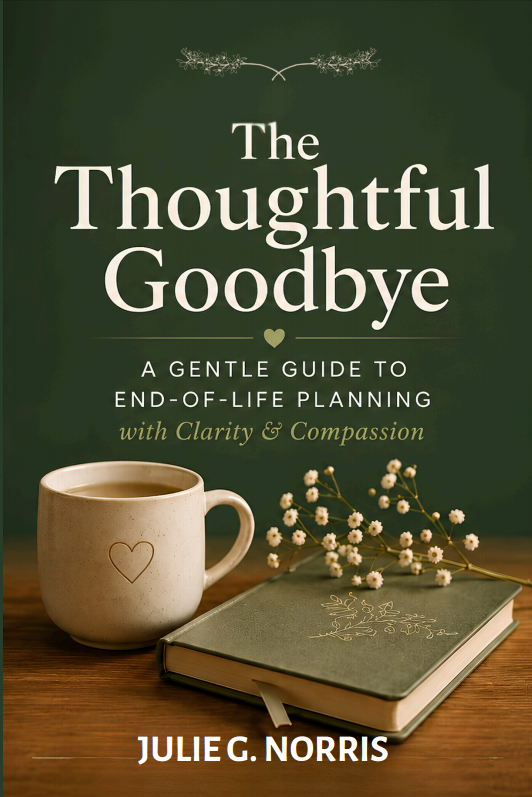
Want help organizing the rest?
The Thoughtful Goodbye covers the documents, practical details, pets, digital life, belongings, and final wishes families often wish had been written down.
See what's inside the book →